Introduction
In a world that often feels chaotic and overwhelming, the quest for stillness and clarity has never been more essential. The act of engaging with contemplative images has emerged as a powerful means to cultivate inner peace and profound understanding. Fine art photography, particularly through self-portraiture, offers an avenue for individuals to explore their emotions, thoughts, and experiences visually. This article delves into the multifaceted nature of contemplative photography, exploring various styles such as aesthetic self-portrait photography and faceless self-portraits. We will uncover how these artistic expressions can facilitate a journey towards tranquility and insight.
What is Contemplative Photography?
Contemplative photography is an approach that encourages the viewer to engage with images on a deeper level. It invites us to slow down, observe, and reflect rather than simply consume visual information. The essence of this practice lies in its ability to evoke feelings of stillness and clarity, prompting us to connect with our inner selves.
The Origins of Contemplative Photography
Rooted in mindfulness practices, contemplative photography draws from various traditions—Eastern philosophies such as Buddhism emphasize awareness and presence in each moment. By observing our surroundings through this lens, we can appreciate the beauty in simplicity.
Key Principles of Contemplative Photography
- Mindfulness: Engaging fully with the present moment. Observation: Noticing details that might otherwise be overlooked. Intention: Approaching each photograph with purpose.
These principles encourage photographers to create images that resonate on a personal level while fostering a sense of connection to the world around them.
The Role of Self-Portrait Photography in Finding Clarity
Self-portrait photography serves as an intimate exploration of identity. By using oneself as the subject, artists can express their innermost thoughts and feelings through visual storytelling. This form of artistic expression aligns closely with contemplation as it fosters self-reflection.
Understanding Self-Portrait Photography Meaning
Self-portrait photography transcends mere representation; it becomes a dialogue between the artist and their inner self. This genre allows individuals to confront their vulnerabilities while celebrating their unique perspectives.
The Evolution of Self-Portrait Photography
From historical portraiture to contemporary interpretations, self-portrait photography has transformed significantly over time. Today’s artists utilize social media platforms to share their work widely, creating vibrant communities centered around aesthetic photos to print.
Exploring Fine Art Self-Portrait Photography
Fine art self-portrait photography merges technical skill with emotional depth. Artists carefully orchestrate each element—lighting, composition, color—to evoke specific feelings within viewers.
Techniques for Capturing Fine Art Self-Portraits
Lighting: Experimenting with natural light creates ethereal effects. Composition: Using negative space allows for introspection. Emotion: Conveying authentic emotion enhances relatability.By mastering these techniques, photographers can produce compelling works that resonate deeply with audiences.
Faceless Self-Portraits: A Unique Perspective
Faceless self-portraits challenge traditional notions of identity by abstracting the human form. This style emphasizes mood over individual characteristics, allowing viewers to project their interpretations onto the art.
Aesthetic Self-Portrait Photography: Crafting Visual Narratives
Aesthetic self-portrait photography focuses on creating visually pleasing compositions that evoke specific emotions or memories. These images often blend elements from vintage aesthetic photography trends alongside modern techniques.
The Power of Aesthetic Pictures to Put on Your Wall
Artwork has transformative potential—hanging aesthetic pieces in your living space can influence your mood and mindset daily. They serve as reminders of cherished moments or aspirations you wish to manifest.
Creating Cohesive Aesthetic Themes in Portraits
To achieve cohesive aesthetics:
- Choose a color palette that resonates emotionally. Incorporate props or settings that tell your story. Maintain consistency across different shoots for brand identity.
Quiet Pictures Aesthetic: Embracing Stillness Through Imagery
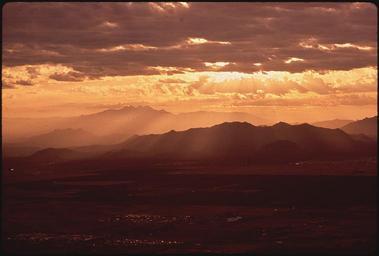
Quiet pictures aesthetic encapsulates tranquility within imagery. These photographs often feature serene landscapes or minimalistic compositions that invite reflection.
Finding Inspiration for Quiet Pictures Aesthetic
Nature is often the best muse for quiet pictures—a calm forest scene or gentle waves lapping at shorelines can evoke serenity effortlessly. Urban settings can also provide inspiration; capturing empty streets during golden hour may reveal unexpected beauty amidst chaos.
How To Engage in Contemplative Photography Practice?
Engaging in contemplative photography requires intention and patience—it’s about finding joy in exploration rather than perfectionism.
Step-by-Step Guide for Beginners
Equip yourself with any camera available—smartphone cameras work just fine! Find a location where you feel at ease; this could be your home or nature. Observe your surroundings without judgment; notice colors, shapes, sounds. Capture what resonates most deeply within you; trust your instincts! Reflect on these images afterward—what emotions do they evoke?This process nurtures creativity while simultaneously promoting clarity through contemplation.
Integrating Mindfulness into Your Photography Practice
Mindfulness plays an integral role in enhancing one’s photographic journey:
1) Establish a Routine
Set aside dedicated time weekly for shooting photos without distractions—this cultivates consistency!
2) Focus on Breathing
Prioritize deep breaths before beginning each session; this centers your mind effectively.
3) Embrace Imperfection
Allow yourself grace—art isn’t always about achieving technical prowess but expressing authenticity!
By incorporating these practices into daily life outside of art-making too!
Combining Contemplation With Fine Art Techniques
Fine art techniques elevate photographs beyond mere snapshots into meaningful expressions:
Creating Depth through Layers
Utilizing layers adds complexity—whether physical objects placed within frame or metaphorical themes layered upon one another through editing techniques like double exposure!
Exploring Vintage Aesthetic Photography Trends
Vintage aesthetic photography embraces nostalgia—a reminder that beauty transcends time:
Characteristics Include:
- Soft focus effects reminiscent of bygone eras Warm color palettes evoking feelings akin childhood memories
These timeless qualities keep vintage aesthetics alive today!
Empowering Photography: Telling Your Story Visually
Photography empowers individuals by providing tools for storytelling—it gives voice when words fail us!
How Empowering Is Self-Portraiture?
Self-portraits allow artists reclaim narratives surrounding personal experiences—they highlight resilience amid struggles while celebrating victories achieved along way!
Finding Stillness Amidst Chaos Through Images
Incorporating visual storytelling helps find stillness amidst chaos—capturing fleeting moments reminds us life’s beauty exists even within turmoil:
1) Document Daily Life 2) Seek out small joys—a blooming flower or someone laughing nearby 3) Create series showcasing contrasts between busy scenes vs peaceful corners
Through careful documentation comes appreciation—and ultimately clarity!
FAQ Section
Here are some frequently asked questions regarding finding stillness and clarity through contemplative images:
Q1: What type of camera should I use for contemplative photography?
photographerYou don’t need expensive equipment—a smartphone camera is sufficient! Focus more on intention behind shots than technical specifications themselves!
Q2: Can anyone practice contemplative photography?
Absolutely! Anyone willing engage thoughtfully with visuals can embrace this practice regardless skill level!
Q3: How do I find inspiration?
Explore nature around you! Observe everyday life moments; take notes whenever something stirs emotions within you—the world holds endless possibilities waiting be captured!
Q4: What makes faceless self-portraits special?
They offer abstraction allowing viewers project personal meanings onto artwork instead focusing solely identity itself—it opens dialogue amongst audience members collectively interpreting piece together!
Q5: Is there a specific editing style associated with vintage aesthetic photos?
Yes! Think warm tones faded textures grainy overlays mimicking film aesthetics popular during mid-late twentieth century—all contribute nostalgic charm felt throughout vintage artworks today!
Q6: How does mindfulness enhance my artistic journey?
Mindfulness encourages presence within creative endeavors cultivating greater satisfaction while reducing anxiety surrounding outcomes—it transforms process into experience itself!
Conclusion
Finding stillness and clarity through contemplative images not only enriches our lives but also serves as powerful means connecting deeper ourselves others around us! Through fine art self-portraiture techniques combined rich history behind genres like vintage aesthetics we discover endless opportunities express uniquely who we are ultimately guiding toward greater awareness fulfillment along way! So pick up your camera today embark upon this transformative journey—you never know what treasures await discovery just beyond horizon awaiting capture lens eye!